
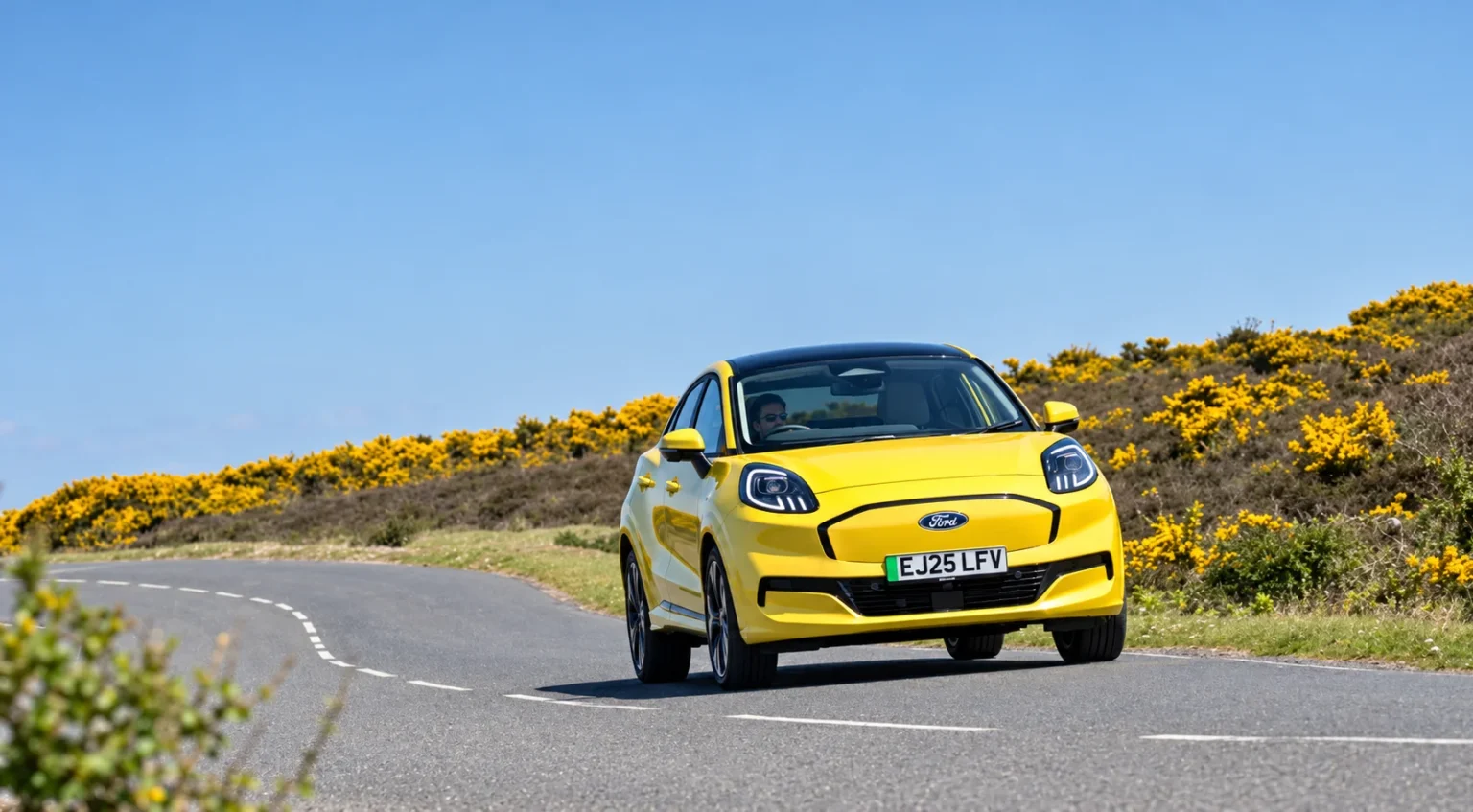
Choosing an electric vehicle in the UK means comparing more than battery range. Size, charging access, luggage space and purchase costs all influence whether a car suits your everyday life.
British branding can also cause confusion. A car with a British badge may be manufactured overseas, while a Japanese-brand vehicle can be built in Britain.
This guide compares ten imported electric cars from overseas brands with ten electric models from British-origin brands. These are editorial shortlists covering different needs and budgets, rather than an official sales ranking. All models listed are fully electric.
Imported, British-Brand and British-Built: What Is the Difference?
An imported electric vehicle is manufactured outside the UK and brought into the country. Buying one through its official UK retailer does not normally mean arranging the import yourself.
A British-brand electric car carries a name with British origins, such as MG, MINI, Lotus or Rolls-Royce. That description identifies the brand’s heritage, rather than guaranteeing British ownership or manufacturing.
The categories therefore overlap. Some British-brand electric vehicles are also imports. Lotus, for example, manufactures its Eletre and Emeya electric models in Wuhan, China. Lotus Cars
Top 10 Imported Electric Vehicles for UK Buyers
These ten models cover compact hatchbacks, family SUVs and more expensive executive cars. Their official UK ranges provide different options for drivers prioritising space, daily practicality or longer journeys. Tesla United Kingdom
| No. | Electric vehicle | Body style | Why consider it? |
|---|---|---|---|
| 1 | Tesla Model 3 | Saloon | An option for commuters seeking an efficient electric saloon. Compare battery versions and try the touchscreen controls before choosing. |
| 2 | Tesla Model Y | SUV | Offers a higher seating position and substantial storage. Worth considering when carrying family luggage is a regular requirement. |
| 3 | BMW i4 | Five-door Gran Coupé | Combines an executive-car appearance with a practical rear hatch. Suits buyers comparing premium electric cars beyond SUVs. |
| 4 | BMW iX1 | Compact SUV | A premium option for drivers who prefer upright seating and a relatively compact family SUV. |
| 5 | Volkswagen ID.3 | Hatchback | A useful starting point for drivers moving from a conventional family hatchback into an electric vehicle. |
| 6 | Volkswagen ID.4 | SUV | Provides a larger alternative to the ID.3 for households needing more passenger and luggage space. |
| 7 | Škoda Elroq | Compact SUV | Offers family-focused practicality in a smaller package than the Enyaq. Compare the available battery sizes carefully. |
| 8 | Škoda Enyaq | SUV | A candidate for larger families, regular holidays and carrying bulky equipment. Check boot access with your own luggage. |
| 9 | Kia EV3 | Compact SUV | Combines compact-SUV dimensions with different battery options. Suitable for comparing daily convenience against longer-distance requirements. |
| 10 | Hyundai IONIQ 5 | Crossover | Offers a spacious cabin and an 800V charging system. Its rapid-charging potential depends on the charger and battery conditions. |
The most suitable choice depends on your routine. Someone driving short urban routes may value manageable dimensions more than the longest advertised range.
For regular motorway travel, compare charging stops as well as distance between charges. A larger battery alone does not explain how conveniently a car completes a long journey.
Top 10 Electric Vehicles From British-Origin Brands
British-origin brands offer everything from everyday hatchbacks to luxury electric coupés. The following models appear in their manufacturers’ UK ranges, but they should not all be described as UK-manufactured vehicles. MG MOTOR UK
| No. | Electric vehicle | Body style | Why consider it? |
|---|---|---|---|
| 1 | MG4 EV | Hatchback | An everyday electric hatchback for buyers comparing battery choices, equipment and overall purchase value. |
| 2 | MGS5 EV | SUV | A family-oriented alternative to the MG4, with a higher body and a practical passenger compartment. |
| 3 | MGS6 EV | SUV | Offers more space within MG’s electric line-up. Compare rear-wheel-drive and all-wheel-drive versions according to your needs. |
| 4 | MG Cyberster | Two-seat roadster | An electric sports-car option for buyers prioritising open-top driving over rear seats and family practicality. |
| 5 | MINI Cooper Electric | Three-door hatchback | A compact choice for urban driving and smaller households. Check rear-seat access before committing. |
| 6 | MINI Aceman | Five-door crossover | Adds rear doors and crossover proportions for buyers wanting more everyday flexibility than the Cooper. |
| 7 | MINI Countryman Electric | SUV | The larger electric MINI option, offering additional room for passengers and luggage. |
| 8 | Lotus Eletre | Performance SUV | Combines electric performance with a luxury SUV format. Its size and ownership costs require careful consideration. |
| 9 | Lotus Emeya | Performance grand tourer | A lower-bodied alternative to the Eletre, aimed at buyers seeking performance alongside long-distance comfort. |
| 10 | Rolls-Royce Spectre | Luxury coupé | An ultra-luxury electric model centred on refinement, personalisation and craftsmanship, rather than mainstream affordability. |
This list includes very different ownership propositions. Comparing an MG4 directly with a Rolls-Royce Spectre on purchase price would offer little practical value.
Instead, narrow your shortlist by budget and body style first. Then compare the models that genuinely serve the same purpose.
Which Electric Vehicles Are Actually Built in the UK?
Brand origin cannot answer this question reliably. The Nissan LEAF provides a clear example: Nissan is a Japanese brand, but production of its third-generation LEAF began in Sunderland in December 2025.
That makes the LEAF relevant to buyers specifically seeking British manufacturing, even though it does not belong in a list of British-origin brands.
Likewise, a familiar British badge does not establish where an individual vehicle was assembled. Check the current model’s production location rather than relying on the manufacturer’s history.
For this reason, the British-brand table above should not be republished under a “ten UK-built electric cars” heading.
How to Choose the Right Electric Vehicle
Start with your normal weekly mileage. Include commuting, school journeys, shopping and occasional longer trips.
Next, consider where charging will happen. Convenient overnight charging can make ownership feel very different from depending entirely on public chargers.
Published WLTP figures provide a common comparison method, but actual range changes with temperature, speed, load and driving conditions. Manufacturers also explain that quoted rapid-charging times depend on suitable equipment and operating conditions.
A test drive should include practical checks. Try your usual parking manoeuvres, adjust the seats and confirm that the boot accommodates the items you regularly carry.
Compare Ownership Costs Before Ordering
Request insurance quotes for the exact model and trim. Also compare finance costs, servicing arrangements, tyres and the electricity tariffs you expect to use.
For a used electric vehicle, examine its service history, remaining battery warranty and available battery-condition information. Check that charging cables and advertised equipment are included.
An official UK-supplied imported car is also different from a privately imported overseas specification. For a private import, confirm charging compatibility, warranty coverage, software support and local servicing before paying.
The strongest shortlist is one that fits your actual journeys and budget. British heritage, overseas manufacturing and UK assembly are useful distinctions, but everyday suitability should guide the final choice.