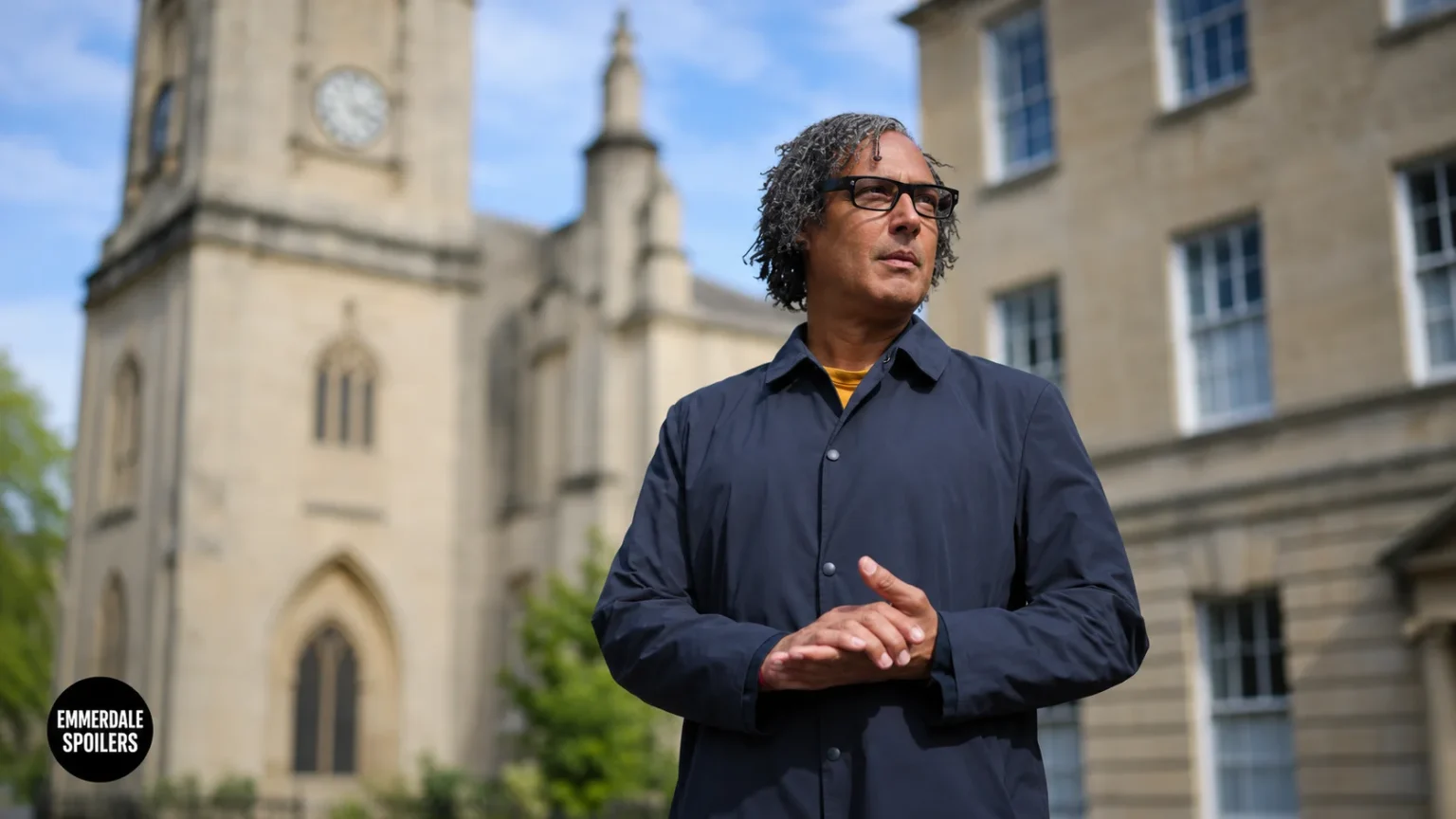
David Olusoga has said that a serious illness in his 40s kept him away from work for more than a year. The historian and BBC presenter recalled the experience in a November 2026 interview, without naming the condition that led to his absence. An earlier profile in The Times reported that he had asthma, had received treatment for Graves’ disease and had developed osteoporosis. As of 14 November 2026, no public statement from his treating doctors identifies the illness he described or provides an update on his current health.
What did David Olusoga say about his illness?
In an interview published by The Independent on 9 November 2026, Olusoga recalled what it was like to receive a diagnosis that changed his life and to spend well over a year away from work. The interview appeared as an advertising feature for Macmillan Cancer Support and was also published by The Standard. Olusoga used his experience to explain why support from charities and from people facing similar difficulties can matter after a diagnosis.
The interview describes an episode from his 40s. It gives readers a sense of how much the illness disrupted his life, while leaving the diagnosis and the dates of his absence private. The November 2026 publication date is when readers heard his account, years after the period he was describing.
The following series brought several soap stars into the competition. Read about the Emmerdale connection to The Celebrity Traitors.
What health conditions have been reported?
In April 2024, The Times reported that Olusoga had asthma and had been prescribed steroids for Graves’ disease about a decade before the interview. The profile linked that treatment to his osteoporosis and described weight training as part of his daily routine at the time. Olusoga told the interviewer that he wanted to live a long life and still had books he wanted to write.
The NHS describes Graves’ disease as an autoimmune condition that can cause the thyroid to make too much hormone. Osteoporosis weakens bones and makes them more likely to break. The Royal Osteoporosis Society explains that steroid use can increase the risk of bone loss, particularly at higher doses or over longer periods. It also identifies excess thyroid hormone as a risk factor for bone loss. That gives medical context for the 2024 report. Olusoga’s own interviews leave open which condition, if any, was responsible for the extended break he described in November.
Have David Olusoga’s doctors spoken publicly?
The coverage available through 14 November includes Olusoga’s own account and a profile that names conditions he has dealt with. No treating doctor is quoted confirming the cause of his year away from work. The public accounts also leave his current treatment and the course of those conditions unclear.
That matters when reading reports that put the two interviews side by side. The Times named Graves’ disease, asthma and osteoporosis in 2024. The 2026 interview gave a new detail about the effect of a past illness on his working life. Neither interview says which diagnosis led to that absence.
Why was Macmillan Cancer Support involved?
The November interview was part of a feature about charitable support, inequalities in cancer care and the role of gifts left in wills. Olusoga spoke about what it feels like to need support when a serious diagnosis suddenly changes your plans. The feature explicitly states that Olusoga has never had cancer.
The same feature includes a breast cancer account from another interviewee, Renita. Her comments about a biopsy, treatment and a nurse refer to her own experience. Olusoga’s contribution was about the value of charity support and why everyone should have a fair chance of getting the help they need.
What has he said about depression and dyslexia?
Olusoga spoke about clinical depression in his 2020 MacTaggart lecture at the Edinburgh TV Festival. He said he sought medical treatment during periods when he felt isolated and devalued in the television industry. Writing in The Guardian afterwards, he said he had experienced clinical depression twice and had taken antidepressants. He shared that history during a wider discussion of racism and barriers faced by Black people working in British television.
He has also spoken about growing up with dyslexia and the support his mother helped him secure at school. The University of Manchester has covered that part of his education, and the NHS describes dyslexia as a learning difficulty that can affect reading and writing. In a 2026 interview with The Times, Olusoga said that switching from handwriting to typing made a major difference for him. The public accounts discuss these experiences in the context of his education and his years working in television.
What has David Olusoga been doing since then?
David Olusoga reached the final of the first series of The Celebrity Traitors in November 2025. His history work also continued in 2026. He discussed A House Through Time in an August interview, and September saw the broadcast of Finding Britain’s Slave Traders with David Olusoga. The latter examined the individuals and institutions involved in Britain’s transatlantic slave trade.
These programmes give readers a timeline of his recent public work. His November interview offers a more personal account of an earlier period, when a diagnosis forced him to put that work on hold and made him appreciate the people and charities he could turn to.